Materials for Learning
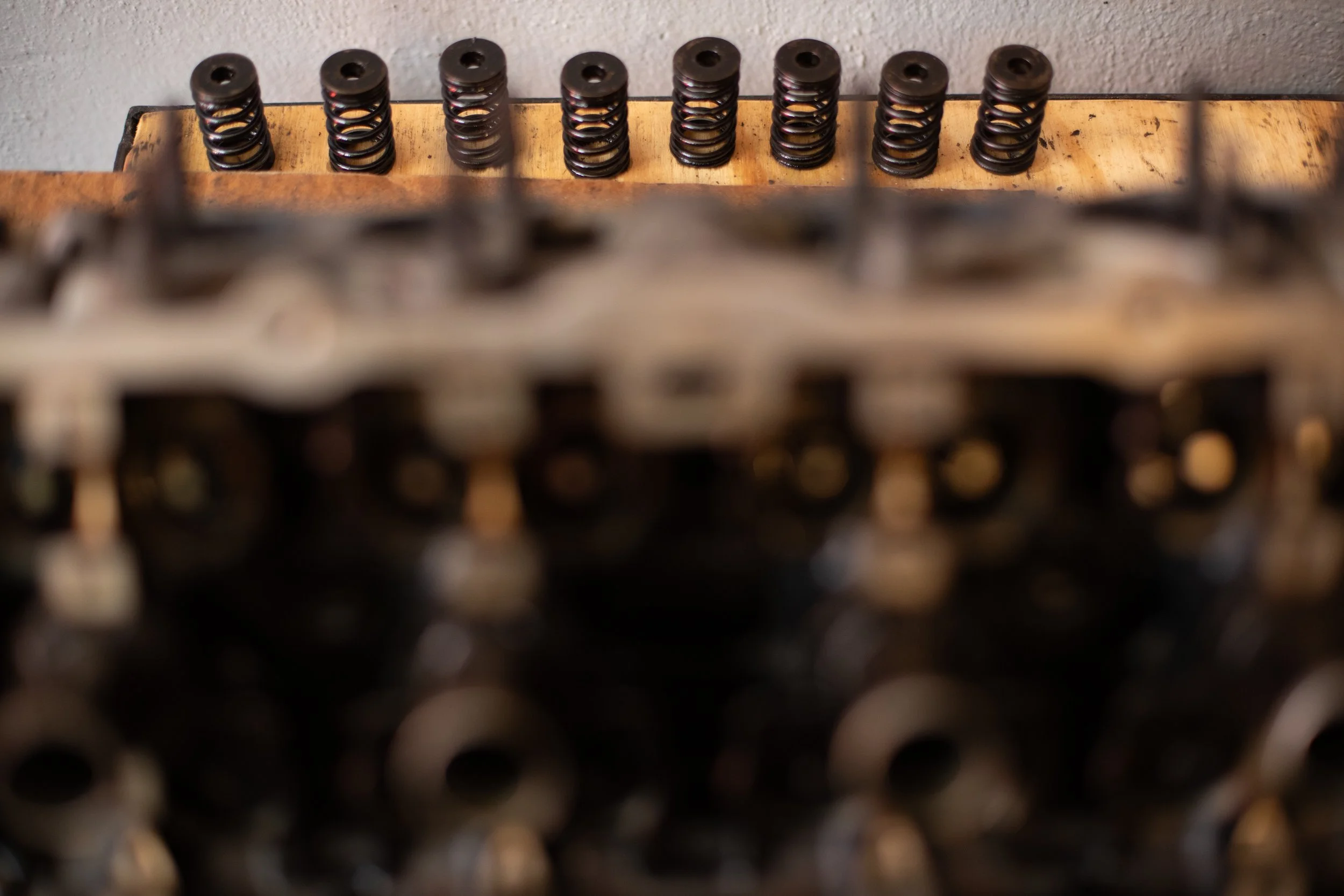
Practical models are essential for effective learning because they allow students to build hands-on skills, and develop problem-solving confidence that cannot be gained from textbooks alone; for our mechanic training center this means we need donated vehicle components and systems—engines, transmissions, fuel and electrical systems, braking and suspension assemblies, and diagnostic electronics—to serve as working learning materials that students can disassemble, reassemble, test, and troubleshoot, ensuring their class room experience goes beyond learned theory and includes practical experience required to understand these systems and the adaptability to service a wide range of vehicles.
Aside from the hands on training models, the training center also needs to provide enough tools to enable every student to participate in the workshop work under the guidance and supervision of a certified mechanic, ensuring that all the class room experience and learning is also applicable and the students know how to implement procedures in real life scenarios.